
Trusted Products for the Most Critical Time of Year
When calving season rolls around, there’s no room for guesswork. C-A-L Ranch sells the products you need for a successful start—products we’ve tested ourselves on real ranches and priced affordably with our Best Price Guarantee. Whatever the season looks like for you, we have the materials to get you through the long days and longer nights.
Milk Replacer & Colostrum
Bottle Feeders & Accessories
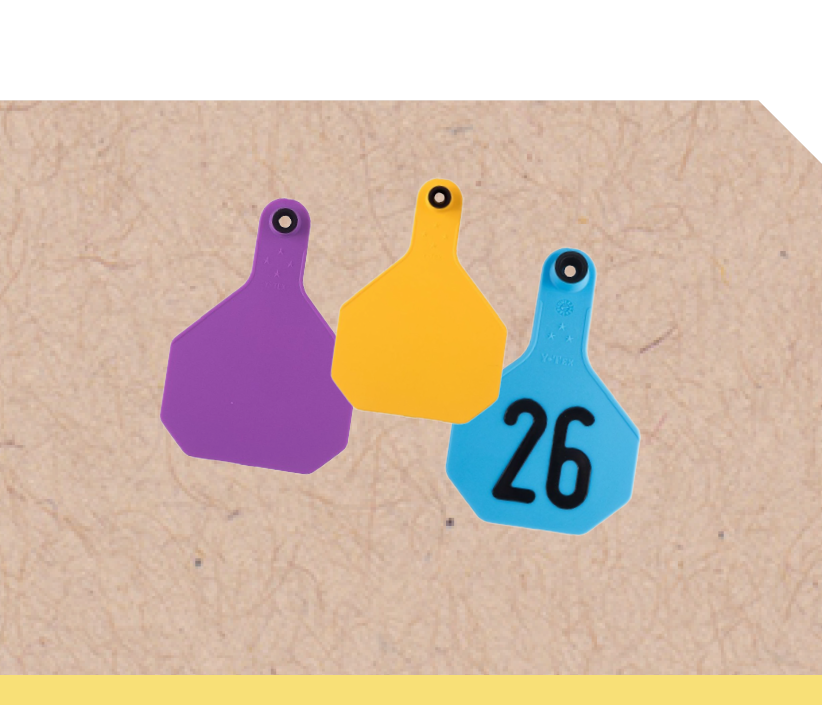
Livestock Identification
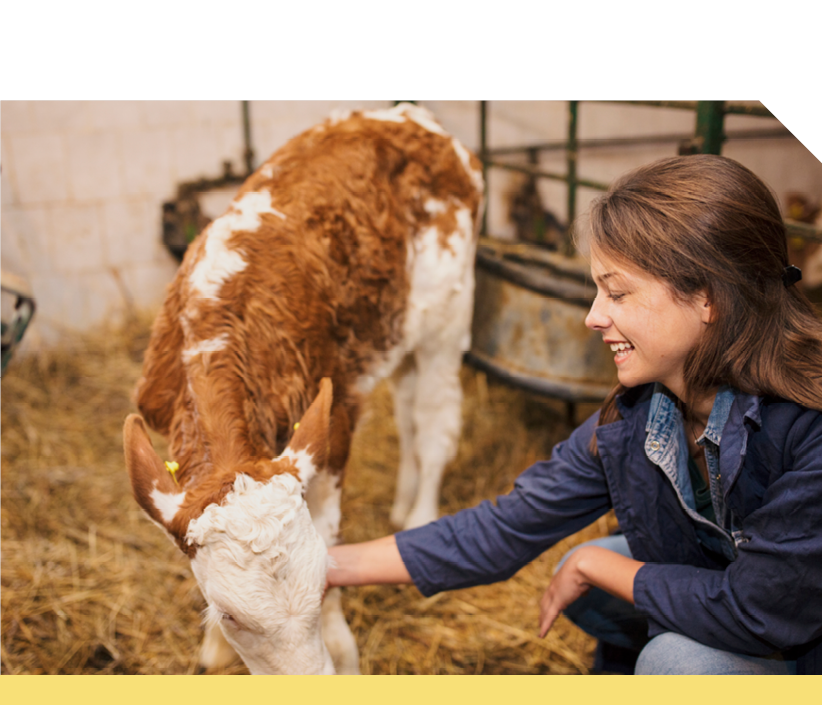
Calving Health
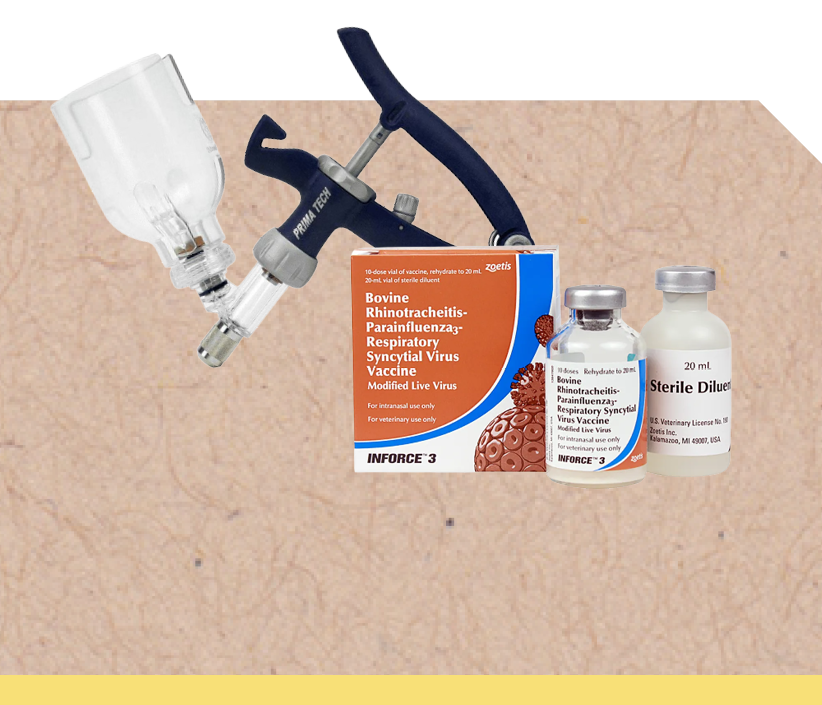
Livestock Vaccines
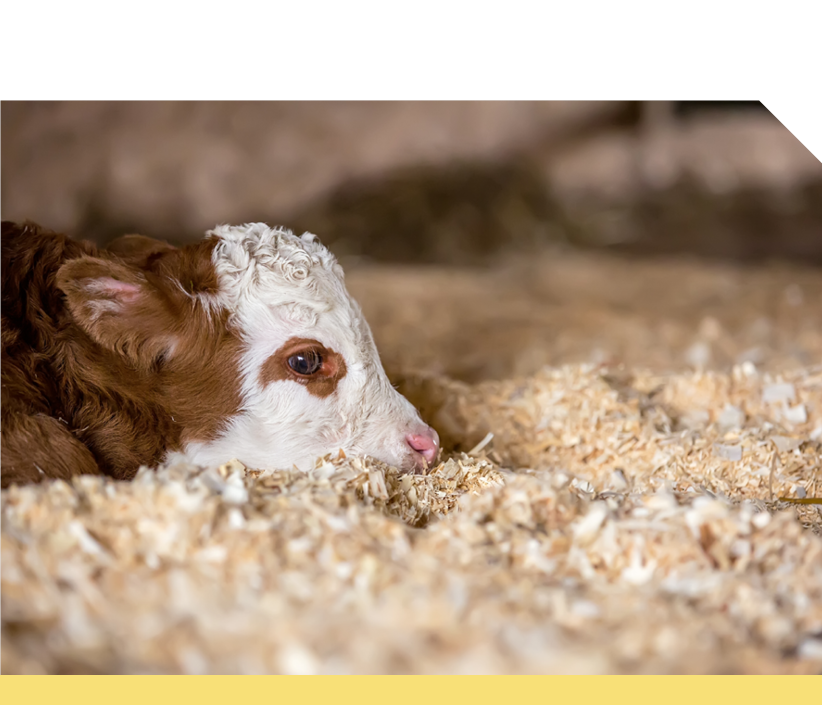
Livestock Bedding
Calving Essentials
Calf Handling

Everyday Cattle Management
If you’re managing a handful of cows or running a full-scale beef or dairy operation, our products will meet the demands of your business. And since calving season is just beginning, we’re here with supplies to see you through the years. So, when it comes time to finally replace that fencing that’s more zip ties than wire—or meet a special need that’s unique to your farm or ranch—our certified, user-friendly gear is built to get you through the tough work with the best value.
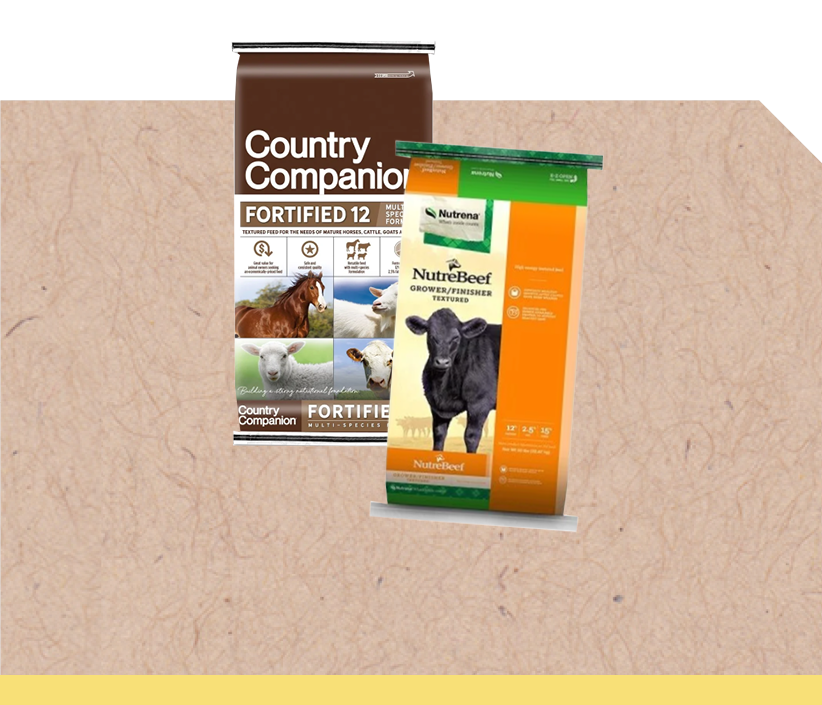
Cattle Feed
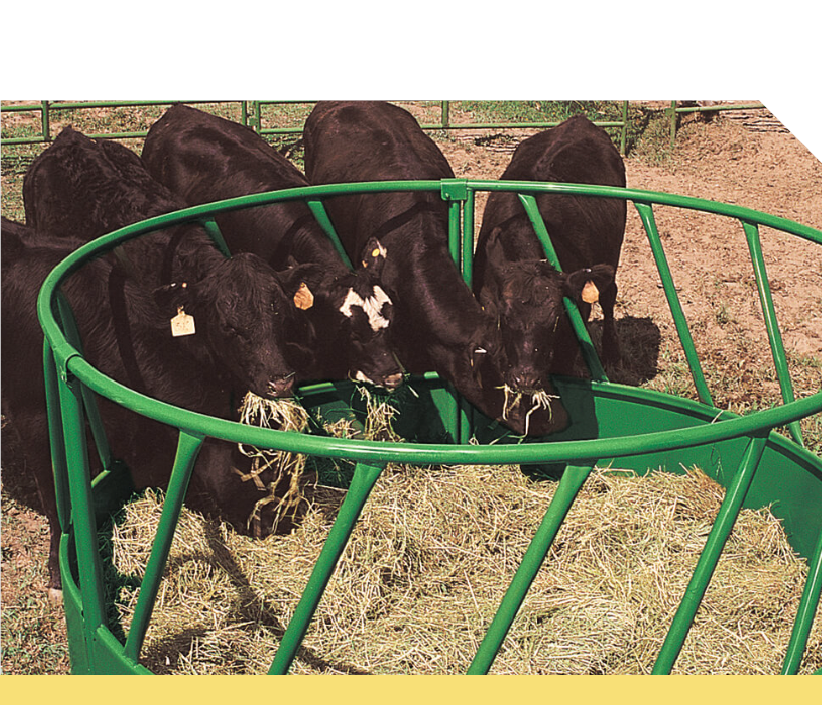
Feeders & Troughs

Livestock Handling
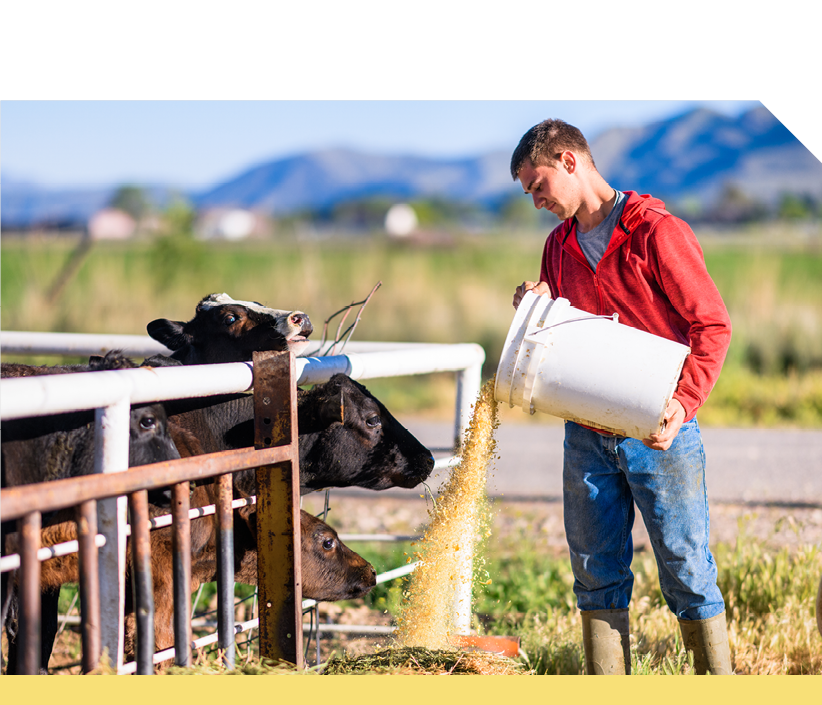
Buckets, Pails & Tubs
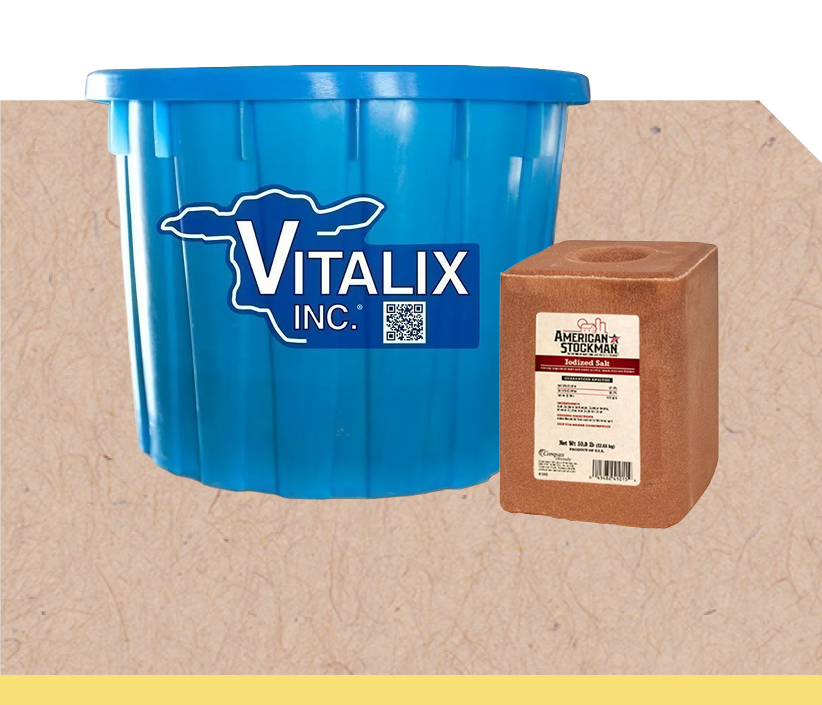
Licks & Tubs
Livestock Health
Herd Essentials
NEED SOMETHING UNIQUE TO YOUR FARM?
Special Orders Available
Whether you measure your pasture in inches or acres, our Professional Sales Representatives have the know-how to help you find the perfect fit.
REQUEST A QUOTEFAQS
A well-prepared supplies list may include gloves, lubricant, and other calving accessories. Having supplies ready helps ensure safer deliveries and quicker response when assistance is needed.
Calving season typically occurs in late winter through early spring, though some farms plan for fall calving.
A cow that is close to calving will show signs of udder filling, relaxed ligaments near the tail head, swelling of the vulva, and behavioral changes such as isolation or restlessness. Monitoring cows closely during this time and having calving tools ready is essential.
Ear tagging calves happens shortly after birth or within the first few days of life. Early identification supports record keeping and herd management, especially during calving season.
Calves typically receive vaccines for respiratory and clostridial diseases, depending on herd health plans and veterinary recommendations. Timing varies, but many calves are vaccinated within the first few months of life. Clean handling helps reduce disease risk early on.
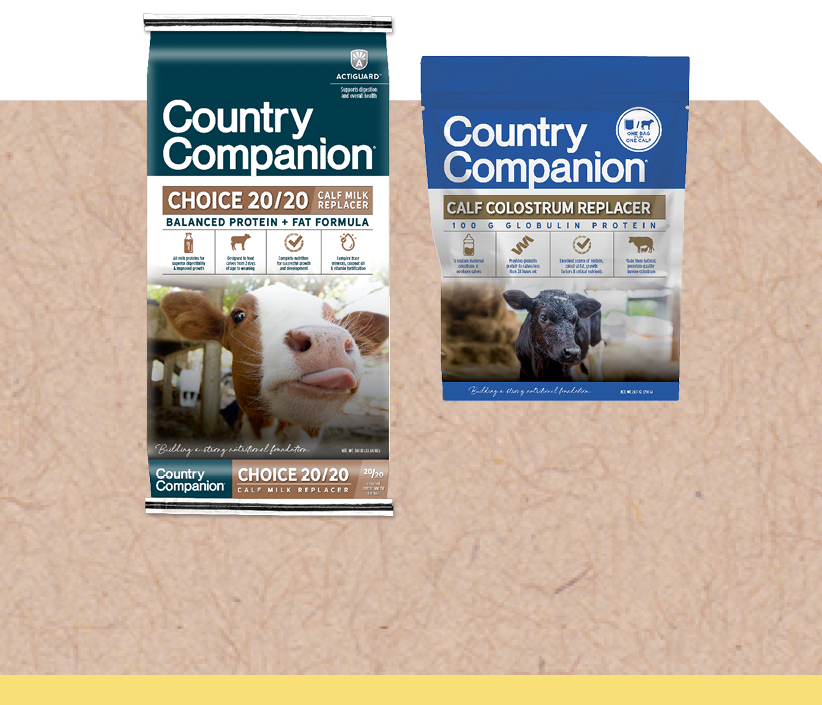
Newborn calves consume about 10% of their body weight per day in milk or milk replacer, split into multiple feedings. Adequate nutrition supports healthy growth and immune development.
Electrolytes are typically given during times of stress, illness, or scours. They may be fed once or twice daily between milk feedings, depending on the calf’s condition. Electrolytes should supplement—not replace—milk unless directed by a veterinarian.
Calves are typically weaned gradually by reducing milk feedings while increasing solid feed intake. Successful weaning depends on consistent nutrition, clean water access, and minimizing stress.
Creep feeding often begins around 2–4 months of age, depending on forage availability and herd goals. Introducing feed early helps calves transition smoothly during weaning and supports steady growth.
After calf starter, calves transition to grower feed combined with quality forage. This gradual shift supports rumen development and prepares calves for long-term feeding programs.
After weaning, calves should be fed high-quality forage, balanced grower feed, and free-choice minerals. Proper nutrition during this stage supports healthy weight gain and long-term performance.
Calves should be kept dry, sheltered from drafts, and given proper bedding in cold weather. During harsh conditions, added wind protection can help maintain body temperature.
Deworming schedules vary by region, pasture conditions, and veterinary guidance. Many producers deworm calves once or twice per year as part of an overall herd health plan.
To protect calves from predators, use secure fencing, calve close to barns or well-lit areas, and monitor cows closely during calving season.
Browse All Guides
Our web guides are carefully curated pages that showcase everything our stores have to offer. Whether you’re gearing up for a new project or preparing for a change in weather, we’ll help you find anything from gifting to livestock care, ensuring that you have all the essentials for every job and every season.